
November 25, 2025

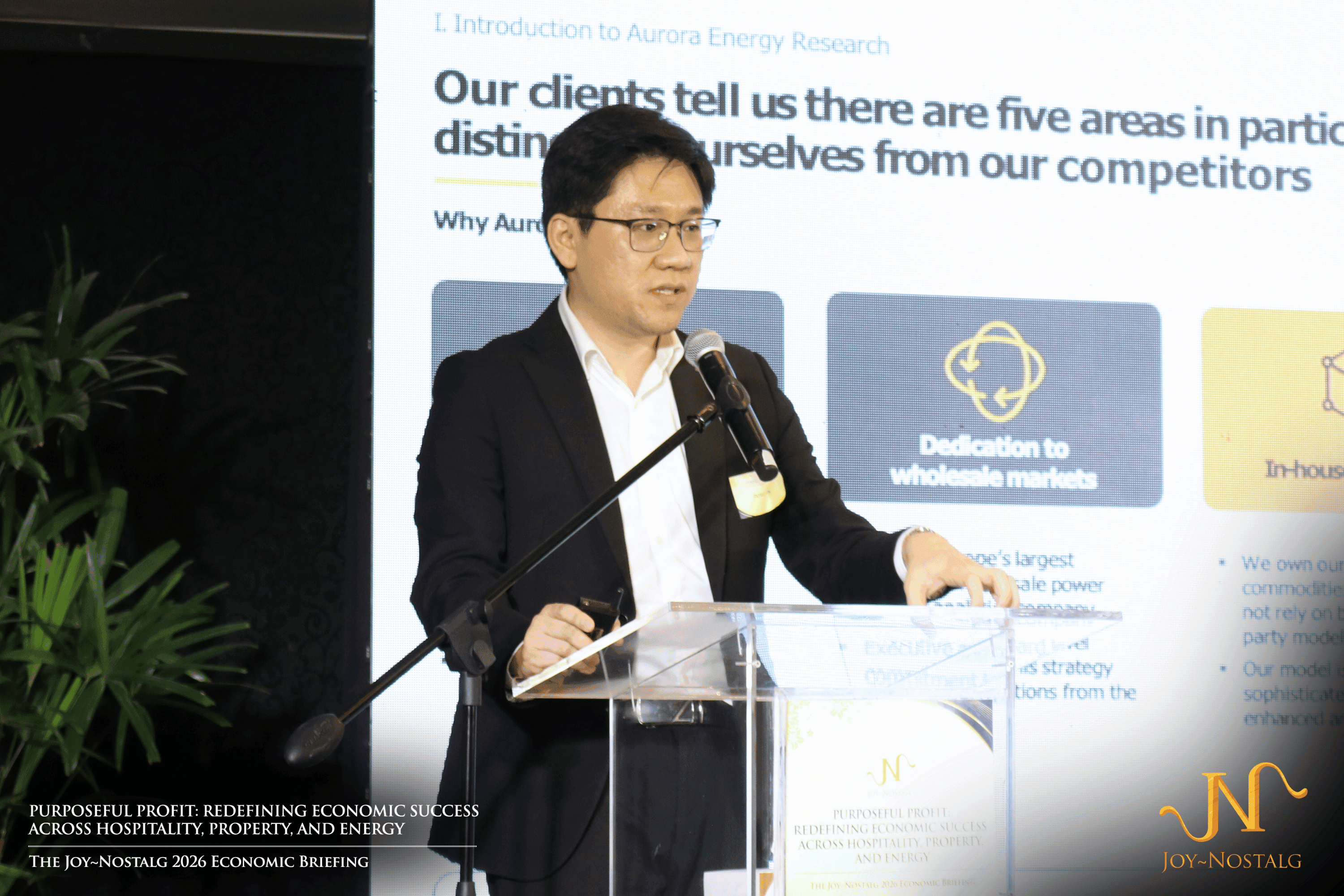
Mr. Patrick Tan of Aurora Energy Research was first to speak and highlighted energy sector insights. According to Tan, the Philippine power sector continues to experience steady demand growth fueled by economic expansion, industrial activity, and rapid urbanization.
Importantly, there is a clear shift toward renewable energy, supporting the Department of Energy’s Renewable Portfolio Standards targets. Government policies like the Green Energy Auction Program and incentives under the Renewable Energy Act encourage clean energy adoption, while efforts to improve grid reliability and integrate Mindanao’s energy surplus into the national grid are ongoing.
However, Mr. Tan said that peak demand pressures, especially in the summer, challenge grid stability despite new energy projects. The Wholesale Electricity Spot Market prices remain sensitive to fuel price changes and generation disruptions, emphasizing the need for diversified energy sources and demand-side management. Opportunities abound in expanding renewable capacity, battery energy storage systems, and energy efficiency programs, offering investors and corporate energy buyers pathways to align sustainability with competitive costs.
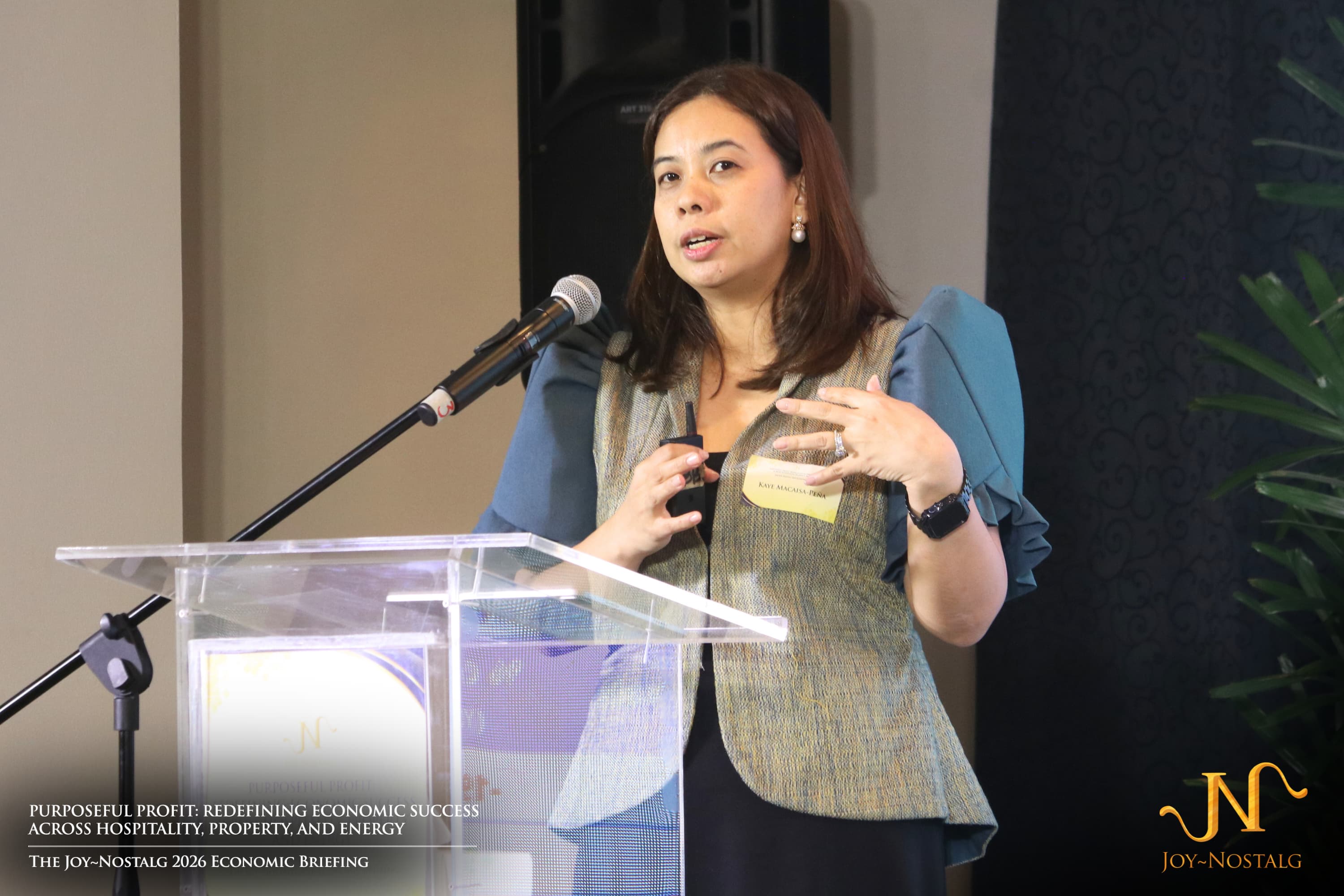
Maria Kathrina Macaisa-Peña, a partner of SyCip Gorres Velayo & Co. reported that the real estate sector remains a vital pillar of the economy, consistently contributing around 6% of GDP. Residential development drives this growth, with over 80% of new builds as single-detached houses, centered in high-growth regions like CALABARZON, Central Luzon, and Central Visayas.
According to Peña, the government’s housing policy has shifted towards a more flexible beneficiary-focused approach under the expanded 4PH program, alongside initiatives such as streamlined permits through digitalization by 2028 and stronger public–private partnerships.
Residential construction leads, but the market shows a divide: strong luxury home sales contrast with affordability challenges in the economic segment. Backout rates have increased due to inflation and financing difficulties, with affordable housing demand dominant. Pricing trends show a 6.7% rise in the Real Estate Price Index in 2024, with buyers particularly responsive to flexible payment terms. Stakeholders are encouraged to focus on affordable housing with competitive pricing, tap into the OFW market through new financing incentives, and innovate using cost-efficient sustainable construction methods, especially near industrial hubs.
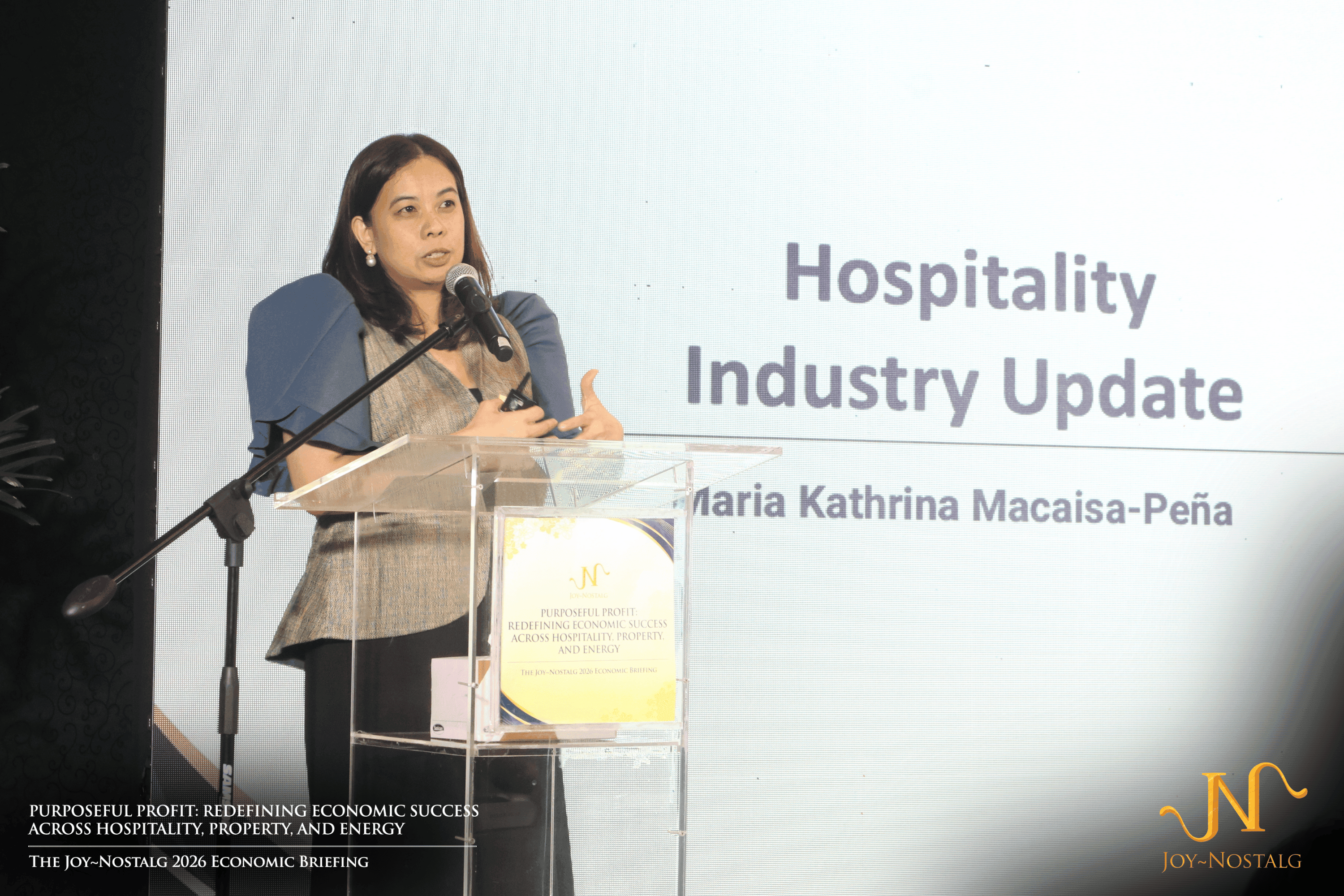
Tourism is now recognized as a core driver of national growth, with government investments expanding beyond hospitality into infrastructure, telecommunications, and enriching visitor experiences, according to Ms. Peña. Though the Philippines ranks fourth in ASEAN tourist appeal, arrivals remain below pre-pandemic levels due to factors like currency depreciation in source markets and limited flight access, especially for Chinese visitors.
Tourists to the Philippines spend the most per trip in ASEAN and tend to stay longer, offsetting lower visitor numbers. Accommodation is largely hotel-based, but hybrid models such as sell-and-leaseback arrangements offer fresh financing possibilities. The MICE (Meetings, Incentives, Conferences, and Exhibitions) travel segment is growing rapidly, projected at 9.2% annually. To capitalize on opportunities, stakeholders should work on restoring flight connectivity, targeting premium and extended-stay travelers, developing competitive MICE facilities, diversifying accommodation types, and strengthening marketing in less penetrated regions.
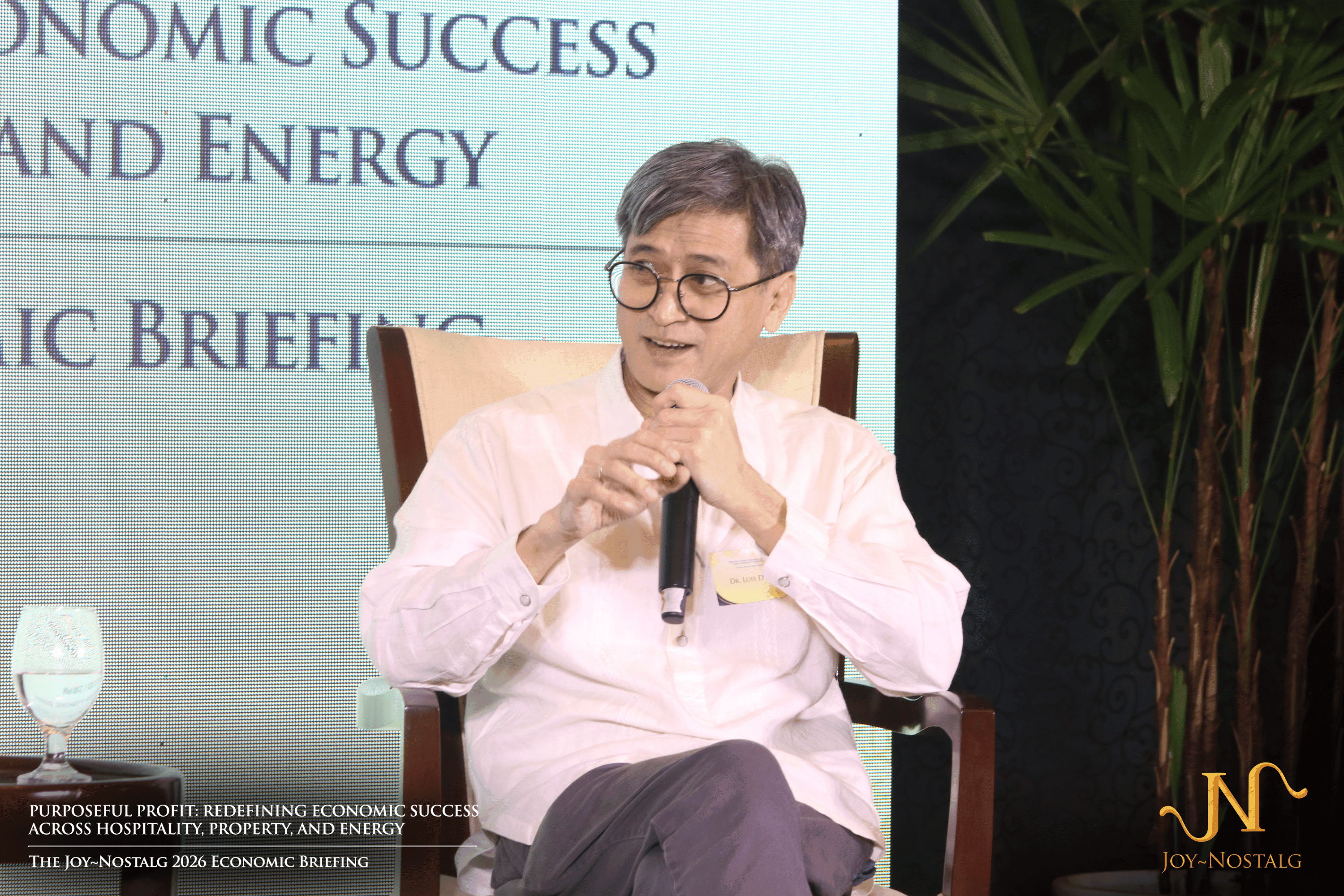
Dr. Luis Dumlao, keynote speaker for the year, highlighted the Philippines as East Asia’s fastest-growing economy, driven by services and construction, with agriculture rebounding but industry and services favored in the long term. Inflation has reached a six-year low of 0.9%, though regional disparities remain, with deflation in Mindanao and slight increases in NCR. Employment trends show a minor rise in unemployment to 3.7%, but underemployment improved, with job gains in retail and finance balancing losses in other sectors.
Financially, Dr. Dumlao said, the peso remains stable, buoyed by strong remittances totaling $34.5 billion. Public debt is manageable and supported by growth-centric policies rather than austerity, with low external debt noted. The final message underscores the economy’s resilience but highlights the need for continued reforms to sustain growth, improve job quality, and refine fiscal strategies, summarized by Dr. Dumlao’s “3 down; 17 to go” framing ongoing challenges ahead.

To conclude, the Joy~Nostalg Economic Briefing 2026 underscored the Philippines' strong economic momentum fueled by dynamic sectors such as energy, real estate, and tourism. While challenges remain in affordability, infrastructure, and market stability, the outlook is positive with clear opportunities for innovation, sustainability, and inclusive growth. As stakeholders across industries align their strategies with emerging trends and government initiatives, the path forward promises resilience and progress for the Philippine economy in the years to come.
November 25, 2025

December 18, 2025

October 23, 2025

December 15, 2025

December 5, 2025

November 28, 2025

November 20, 2025

November 18, 2025